Warzone’s maps have always been more than just backdrops—they’re dynamic battlefields that define strategy, pacing, and player behavior. Over the years, evolving layouts, new biomes, and environmental mechanics have completely transformed how players approach each match. The 2025 updates brought the biggest shift yet, pushing players to rethink rotations, positioning, and engagements.
This article explores how Warzone’s evolving maps reshaped player strategies across multiple seasons, from the early Verdansk days to the complex layouts of modern Urzikstan.
The Early Days: Verdansk’s Open Warfare
Verdansk introduced players to large-scale urban combat with clear sightlines and distinct zones. Its wide streets and elevated rooftops favored long-range play, snipers, and LMG users. Early strategies focused on securing tall buildings like ATC Tower or Downtown rooftops to gain vision control.

While simple in structure, Verdansk rewarded positioning and map knowledge more than mechanical skill. Holding power positions often decided the match long before the final circle closed.
Caldera’s Vertical Complexity
When Caldera replaced Verdansk, verticality became the defining feature. Players struggled with steep terrain and limited visibility, forcing the meta toward mobility and recon awareness. Vehicles and redeploy balloons became essential tools for survival. Rotations were longer, and engagements required greater tactical planning.
Caldera emphasized adaptability—teams that learned to rotate smartly and exploit high-ground advantages thrived while static players were punished.
Vondel and Ashika Island: Compact Chaos
Small maps like Vondel and Ashika Island shifted Warzone toward faster, more chaotic gameplay. With condensed zones and constant respawns, they encouraged aggressive playstyles and relentless close-quarter fights. SMGs and shotguns dominated, while snipers and LMGs took a back seat.

These maps redefined tempo. Instead of holding positions, teams had to control flow—cycling through kills, rotations, and loot to maintain pressure and resources.
Urzikstan: The Tactical Renaissance
Urzikstan in 2025 combined the best of all worlds—urban combat, open plains, and layered interiors. Its dynamic environments, including destructible walls and interactive rooftops, made each zone unpredictable. The new train system and high-speed transit routes revolutionized rotations, letting squads outmaneuver gatekeepers effortlessly.
This new map demands balance—smart players mix aggression with patience, leveraging environmental tools for quick escapes or surprise flanks.
How Map Design Shapes Strategy
Each Warzone map introduced new priorities for players:
| Map | Key Design Element | Dominant Strategy |
|---|---|---|
| Verdansk | Flat, urban terrain | Hold rooftops and use snipers |
| Caldera | Mountainous regions | Use vehicles and high ground |
| Vondel | Compact city layout | Play aggressively, rotate fast |
| Urzikstan | Mixed biomes and mobility routes | Balance movement with awareness |
Understanding the terrain is as important as mastering gunplay. Map knowledge dictates positioning, cover, and pacing—three elements that decide who controls engagements.
Adapting Your Playstyle to Modern Maps
Today’s Warzone requires hybrid thinking. Successful players switch fluidly between aggression and patience depending on terrain and circle location. Movement tools like zip lines and grapples have replaced traditional vehicles as key rotation options. Strategic positioning—especially in destructible buildings—now requires foresight, not just reaction speed.
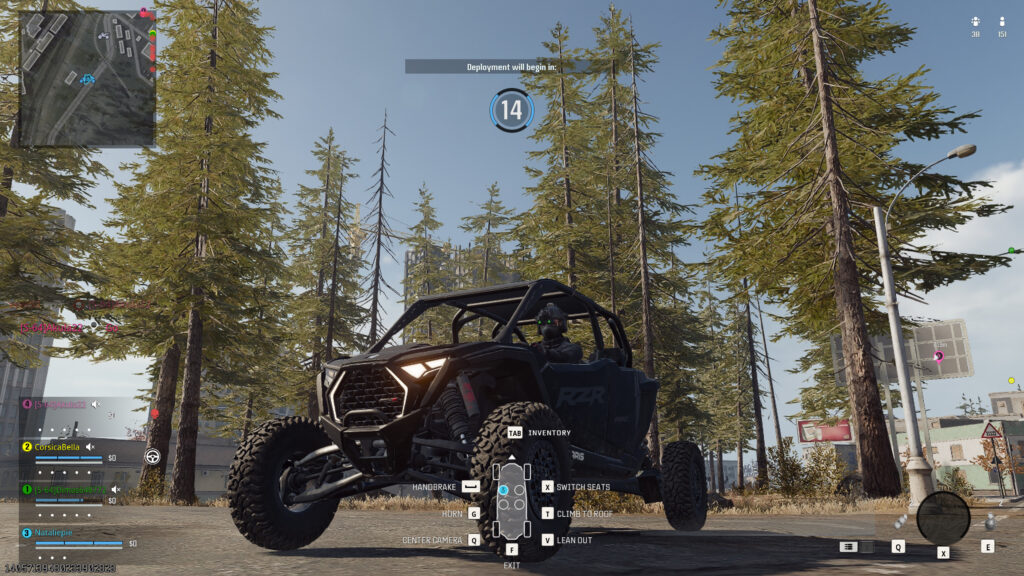
Adaptability remains the new meta: the ability to read maps and adjust strategy mid-fight defines the winners of 2025’s Warzone battles.
Conclusion
Warzone’s map evolution tells a story of changing priorities—from static domination to fluid, tactical warfare. Each season reshaped how players think, move, and fight. Understanding the terrain isn’t optional—it’s fundamental. The best players master geography as much as they master their weapons.
In 2025, victory belongs to those who not only shoot first—but move smarter through an ever-changing battlefield.