Introduction
Call of duty boosting gives players a fast way to raise their rank without adding extra hours of play. Instead of grinding through matches yourself, you set a clear goal—such as reaching Gold tier or earning a set number of wins—and let a skilled player handle the matches on your account. This process keeps your own sessions free for practice, custom drills, or social play with friends. You still control your profile by updating your password and adding two-factor authentication before the boost begins. Once secured, the booster logs in under agreed terms and works through matches in short blocks, sending updates as they reach each milestone.
This quick guide shows you how to plan a boosting session that fits into a busy schedule. You’ll learn how to pick the exact rank badge you want, record your starting point, and break the boost into manageable chunks. You’ll see how to set up a simple update plan so you know exactly when your account hits each milestone and can verify progress with match IDs or screenshots. By following this structured approach, you avoid spending extra time on trial and error. Instead, you get the rank you want in clear steps—and keep your own gaming time focused on skill building once the boost ends.
With call of duty boosting set up correctly, you trade long grind sessions for targeted sessions delivered in a few hours or less. You still enjoy the thrill of high-rank matches, but you don’t need to log dozens of matches to get there. This guide covers the benefits of boosting, how to secure and prepare your account, how to break goals into quick sessions, and what to expect at each step. You’ll finish with a plan that fits around work, school, or other hobbies—and hits your target rank without extra playtime.
Key Benefits of Call of Duty Boosting
One clear benefit of call of duty boosting is time savings. Grinding rank can take dozens of matches, each lasting five to ten minutes. Before you know it, you’ve spent hours just chasing wins. With boosting, a skilled player focuses solely on wins or rank points, reaching your goal in a set number of matches. This frees you up to use your personal sessions for aim training, map study, or playing with friends. You still enjoy the high-level matches once the boost ends, but you don’t have to trade all of your free time for progress.
Another benefit is immediate access to unlocks tied to rank. Many weapon attachments, blueprints, and game modes are unlocked when you hit certain badges. Boosting gets you to those tiers without waiting weeks or months. You can then test new loadouts in custom matches and find settings that work for you. This way, you build your own skill with the best gear available, rather than sticking to basic options until you slowly grind ranks on your own.
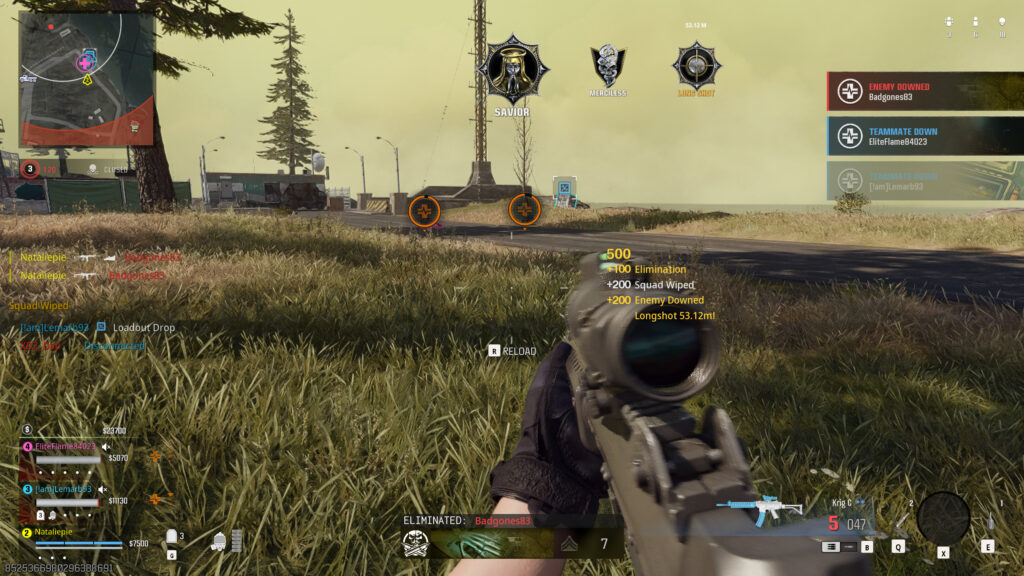
A third benefit is clear tracking of progress. With a planned update schedule—such as every five wins or ten matches—you receive proof of each step through match IDs, screenshots, or short clips. This transparency ensures you get exactly what you paid for, with no guesswork. You see match counts, win rates, and any rank badge changes in real time. By the end of your boosting session, you hold a final report showing starting and ending stats side by side. This gives you confidence in your new rank and lets you plan your next moves with solid data in hand.
Set Clear Rank Goals
Before you start boosting, decide on the exact rank badge you want to reach. Open your profile and note your current badge—Bronze, Silver, Gold, or higher. Then pick the target tier that matches your needs, such as Gold I, Platinum II, or Diamond III. Write this down so both you and the booster agree on the end point. Precise goals prevent confusion and make tracking progress simple.
Next, record your starting point. Note your current rank tier, total wins, and kill/death ratio. Jot these details into a shared note or document. This baseline lets you compare against your boosted stats and confirm each step of the process. If you aim for a rank boost, list your starting badge and plan how many tiers to climb. If you aim for a win boost, list how many extra wins you need to hit your rank goal or complete event challenges.

Finally, break your goal into short sessions that fit your schedule. For example, if you need 30 wins to hit Gold II and you play matches that last around eight minutes, plan for three sessions of ten wins each. Schedule each block for two hours, leaving time for quick breaks and status checks. Mark update points—such as after every ten wins—so you know exactly when to expect proof and report back. By setting clear, measurable rank goals and dividing work into short, focused sessions, you create a boosting plan that fits around your life and delivers the rank you want without extra grind.
Prepare Your Account
Before any boosting begins, secure and set up your account so matches proceed without hiccups. Start by updating your password to a unique, strong phrase and link your account to an email or phone number you control. Then enable two-factor authentication so every login needs a code you receive. Next, record your current stats as a baseline: note your rank tier, total wins, kill/death ratio, and any mode-specific numbers you track. Lastly, capture your in-game settings—aim or camera sensitivity, key bindings or controller layout, mouse DPI, and graphics options—so the booster can match your setup exactly and restore your preferences when the session ends.
Use this checklist to guide your setup:
- Secure Login: Change password and turn on two-factor authentication.
- Baseline Stats: Write down rank tier, total wins, K/D ratio, and score per minute.
- Settings Record: Save sensitivity, bindings, controller/mouse DPI, and graphics choices.
- System Check: Test internet speed, close background apps that use bandwidth or CPU, and verify headset or mic quality.
- Access Details: Provide booster with temporary login info and confirm how you’ll revoke access when the boost ends.
Completing these steps ensures your profile stays safe, stats stay consistent, and the booster works with the exact settings you prefer. It also gives you a clear starting point to compare against boosted results and makes the handoff smooth, with no delays due to mismatched configurations.
Choose Your Boost Path
Next, pick the type of boost that fits your goals—fast wins, rank badge jumps, or both. A win boost delivers a set number of match victories on your account, ideal for event or Battle Pass challenges that track win totals. A rank boost focuses on raising your tier badge (for example, Silver to Gold) by combining wins and controlled losses as needed. A combined boost bundles both objectives so you add wins and climb badges in a single session. Comparing these options helps you decide which path delivers the progress you need without extra playtime:
| Boost Type | Focus | Profile Impact | Est. Matches | Est. Hours |
|---|---|---|---|---|
| Win Boost | Match victories | Increases win count only | 10–50 wins | 1–5 hours |
| Rank Boost | Tier badge climb | Raises rank badge + mixed wins/loss | 30–60 matches | 3–6 hours |
| Combined Boost | Wins + badges | Adds wins and raises badge in one go | 40–80 matches | 4–8 hours |
Choose a win boost if you need extra victories for timed rewards. Opt for a rank boost if your main goal is a new badge and its unlocks. Pick a combined boost when you want both win counts and a badge jump at once. Clearly state your target—such as “25 wins only” or “Gold I to Platinum II”—so the booster knows exactly what to deliver.
Plan Fast Sessions
With your boost type set, break the work into quick blocks that fit your schedule. Aim to keep each session under two hours to match evenings or short weekend slots. Estimate how many matches or wins you can cover in each block based on average match length—typically five to ten minutes per game. Then schedule sessions on days and times when you’re free and can check updates promptly.

Follow this plan to structure fast sessions:
- Define Blocks: Decide on units, such as 10 wins or 10 matches per session.
- Estimate Time: Multiply match length by block size (e.g., ten matches × eight minutes = 80 minutes).
- Set Session Times: Slot blocks into your calendar—like Monday 7–8:30 PM or Saturday 10 AM–12 PM.
- Milestone Updates: Agree with the booster on check-ins at the end of each block, using match IDs or screenshots for proof.
- Buffer Slots: Reserve extra time or an extra block in case of delays or longer matches.
By mapping out these blocks with clear start and end times, you avoid overcommitting and ensure each session delivers progress without eating into other plans. A simple schedule keeps your boosting efficient, predictable, and aligned with your daily routine.
Jump In with Your New Rank
Once your boosting sessions finish and you’ve reached your target rank, it’s time to put your new status to use. First, load up the game and open your loadout menu to equip any weapons, attachments, or gear unlocked at your new tier. These might include high-level rifles, enhanced optics, or advanced perks. Assign your favorite setups to quick-select slots so you can switch gear on the fly during matches.
Next, test each new loadout in a private match or custom game. Spend a few rounds focusing on how each weapon handles—note recoil patterns, aim-down-sight speed, and movement response. Adjust your controller or mouse sensitivity if a new attachment changes handling speed. For example, a longer barrel might slow aim-down time, so you might reduce sensitivity slightly to stay precise in close-range fights. If a lightweight stock speeds up movement, practice sliding and jump-crouch transitions to maximize that advantage.
To make this testing efficient, follow a short checklist during your private session:
- Equip New Gear: Switch to one new weapon per loadout slot.
- Run Control Drills: Fire at static targets to feel recoil and handling.
- Test Mobility: Move through slides, jumps, and sprints to gauge speed.
- Measure Comfort: Note any sensitivity tweaks needed for each weapon.
- Record Impressions: Write down which loadout feels best and why.
After you’ve tried each setup, finalize your favorite loadouts and save them. Then jump into a live match to see how your choices perform under pressure. This process ensures you step into competitive games fully prepared with gear that matches your play style and the demands of your new rank.
Maintain Your Rank
Reaching a high rank through boosting is only half the battle; staying there takes ongoing effort. Begin by setting brief daily practice drills focused on key skills. Spend five to ten minutes each session on aim trainers or private target ranges to keep your reaction time and accuracy sharp. Rotate drills between headshot practice, tracking moving targets, and quick-scope snaps so you cover all aspects of aiming.
Movement is equally important. In private matches, rehearse map-specific routes and slide-jump timings that high-level players use. Focus on two or three maps you play most often, and learn common choke points, high-ground positions, and quick escape paths. Incorporate at least five minutes of movement drills into every practice session.
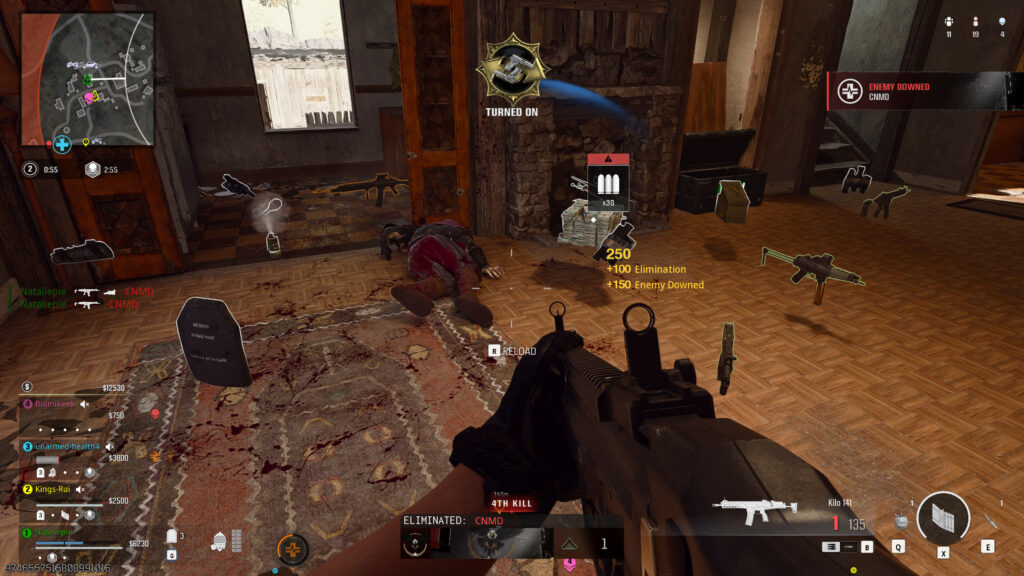
Team play helps you adapt to strategic demands at higher ranks. Join a squad that matches your badge level for two or three sessions per week. Communicate callouts, plan coordinated pushes, and learn timing for rotations or objective captures. If possible, record one or two live matches and review them afterward. Watch for positioning errors or missed opportunities, then discuss improvements with your squad.
By combining daily aim drills, movement practice, and regular squad play, you build the skills needed to hold your boosted rank. Keep a simple log of each session—record date, drill type, and any notes on performance. Over time, you’ll see small improvements add up and prevent slipping back down the ranks.
Conclusion
CoD boosting offers a fast way to hit high ranks without adding extra playtime, but its true value comes from clear planning and follow-through. You began by setting precise rank goals, preparing your account with secure login and saved settings, and choosing the boost path that fit your needs. You broke the work into short, focused sessions, tracked progress in real time with match IDs and proof files, and organized every update in a simple log. After the boost, you updated loadouts, tested new gear in private matches, and noted any control tweaks needed for peak performance.
To maintain your boosted level, you set up daily aim and movement drills, joined squads at your new rank for team practice, and began reviewing live match footage. These next steps turn your boost into lasting skill gains, so you keep rising on your own. By following this quick guide, you save hours of grinding, unlock higher-tier gameplay faster, and focus your personal playtime on growth rather than rank chasing. Use these steps each season to secure the badge you want, verify every match, and build on your gains with targeted practice and smart team play.