

In Asymmetrical Warfare, deception is a low-cost, high-yield weapon. **Active Threat Redirection (ATR)** is the doctrine governing the use of specialized Decoy Gadgets designed to mimic Raider kinetic activity, leveraging ARC’s rigid pursuit logic (ABA) to draw heavy patrols away from mission objectives (LPO). Deploying a Decoy effectively minimizes risk and conserves vital ammunition, confirming that tactical intelligence is superior to brute force.
This analysis details the mechanics of Decoy technology, emphasizing optimal deployment scenarios and necessary follow-up protocols to ensure the effectiveness of the misdirection.
The Decoy Principle: Mimicking High-Value Threats
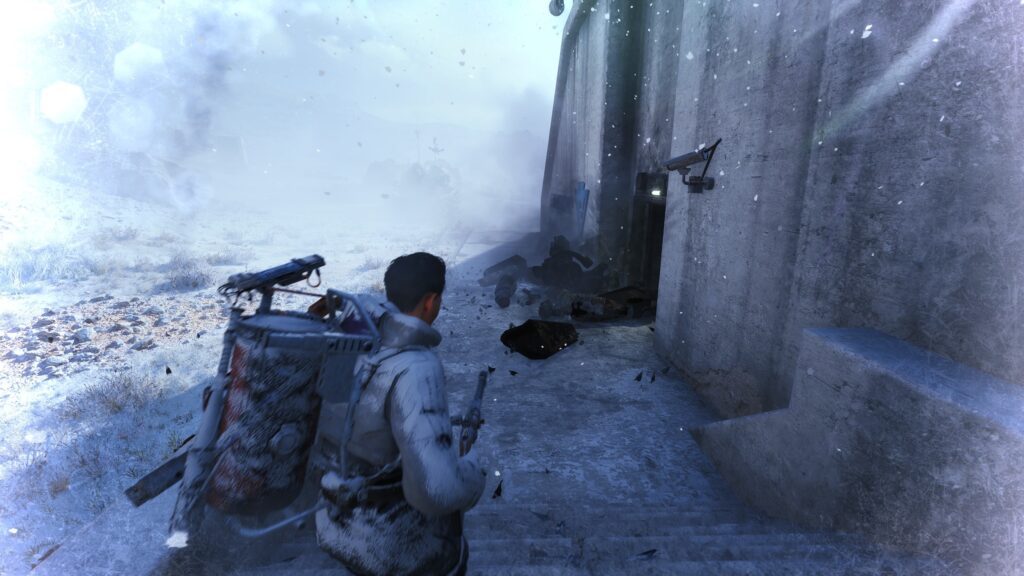
ARC’s pursuit algorithm prioritizes neutralizing the most immediate, highest-yield threat. A Decoy Gadget must emit sensory data (acoustic bursts, simulated thermal signatures, high-frequency radio chatter) that the ARC grid interprets as a high-value Raider kinetic presence (e.g., a sustained firefight). ATR utilizes this programmed response to lure heavy, slow-moving patrols (Warden, Golem) into tertiary sectors, clearing the primary objective zone.
- **Decoy Efficiency:** The more accurately the Decoy simulates high-caliber automatic fire and high-aggro gadget use, the higher the perceived Threat Rating and the more robust the ARC response.
Decoy Placement and Activation
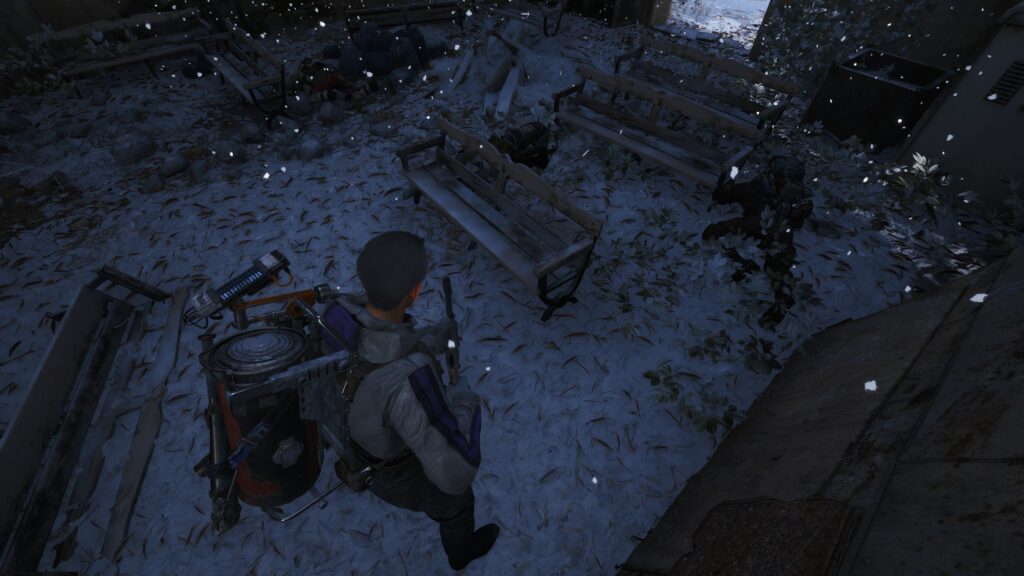
Optimal Decoy placement is dictated by Algorithmic Behavioral Analysis (ABA). The Decoy must be placed along a known ARC patrol route or near a predictable consolidation point, but sufficiently *far* from the primary mission objective to ensure the redirection is total (usually 500-800 meters). The Decoy is typically activated just as the Raiders enter the objective zone, maximizing the operational window granted by the misdirection.
ATR Follow-Up and Disengagement
The Decoy only initiates the redirection; the Raiders must capitalize on the resulting chaos. The primary team must utilize the momentary lapse in localized ARC presence to execute their objective (FBP, Salvage Acquisition). The Decoy is functionally disposable, but its sacrifice must lead to successful asset acquisition, justifying its resource cost (LPO).
| Decoy Deployment Scenario | Desired ARC Response | Follow-up Raider Action |
|---|---|---|
| **Overrun Extraction Zone** | Draw the high-aggro units away from the exfil beacon. | Rapid traversal to the exfil point; immediately utilize the beacon. |
| **Securing Tier III Data Cache** | Draw the defending Warden/Golem patrol to the Decoy location. | Infiltrate the cleared cache zone and secure the data silently (ASW). |
ATR and Countering AAD
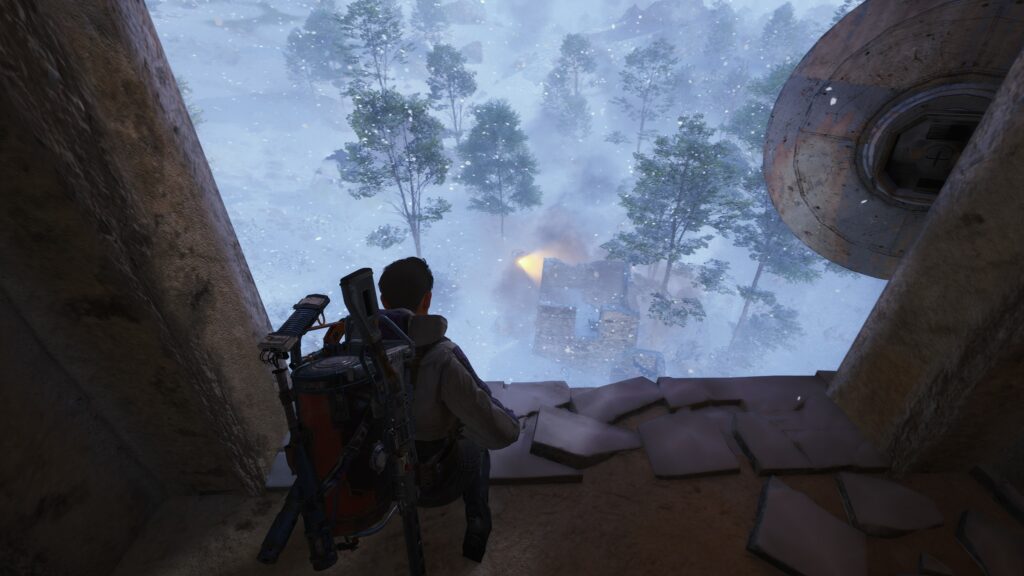
As ARC adapts (AAD), it may learn to differentiate between real and false kinetic signatures. ATR must continuously evolve its Decoy payload, ensuring the simulated threat profile remains complex and resource-intensive, compelling ARC to commit real forces to the fake engagement.
Conclusion: The Strategy of Illusion

Active Threat Redirection confirms that the effective use of illusion is a decisive weapon in Asymmetrical Warfare. By leveraging the Decoy to manipulate ARC’s predictable pursuit logic, Raiders convert minimal resources into maximum operational advantage, ensuring that the machine network is perpetually fighting the battle the Resistance wants it to fight.





Leave a Reply