While Team Composition Theory (TCT) focuses on combat roles (Breacher, DM, Disruptor), successful operations in high-intensity retrieval zones necessitate the specialization of logistical support. The **Designated Salvage Runner (DSR)** is the critical, often undervalued role dedicated to the immediate acquisition, processing, and safeguarding of high-value materials mid-engagement. This role frees up combat specialists to focus entirely on kinetic superiority, ensuring that resource acquisition—the mission’s ultimate objective—is never compromised by the chaos of battle.
This analysis formalizes the DSR role, detailing their specific loadout, operational protocols, and crucial contribution to maintaining the Hub’s resource supply chain (LPO).
The DSR’s Loadout and Survival Priority
The DSR’s loadout is optimized entirely for speed, defense, and cargo capacity. They carry minimum offensive ammunition, relying on their teammates for engagement protection. Their specialized equipment includes high-capacity inventory upgrades, mobile processing units (for immediate “Sort and Convert” functions), and redundant medical supplies (DMT).
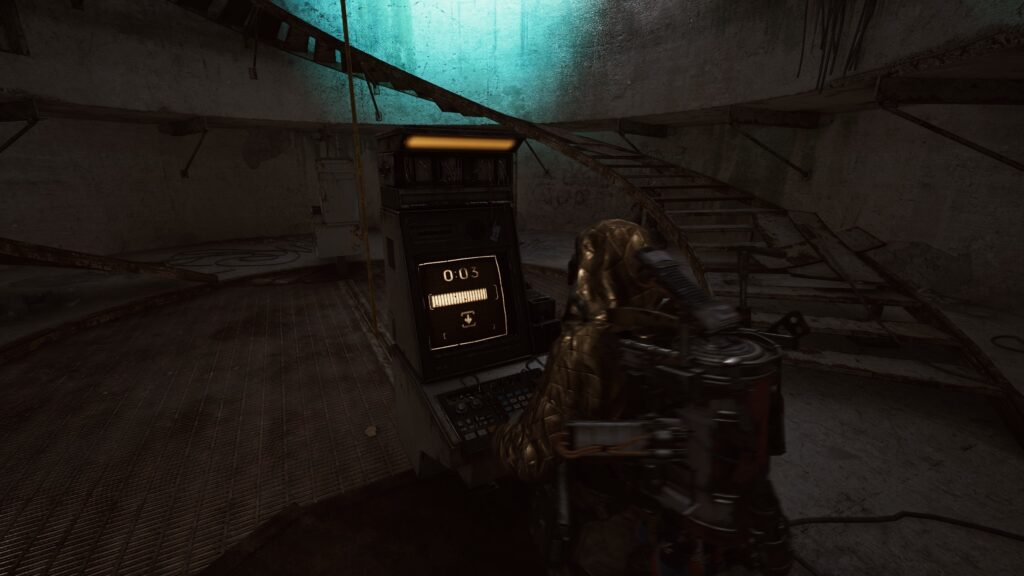
- **Essential Gadget:** The Grappling Hook, utilized not for combat flanking (VHS), but for rapid entry and exfiltration from hot zones.
- **Primary Weapon:** A lightweight, high-mobility weapon (like the Re-Bar Rifle) used only for immediate self-defense, prioritizing speed over sustained damage.
The DSR Protocol in Mid-Engagement
The DSR operates under strict **Extraction Proximity Protocol (EPP)**. While the Breacher/Assault team engages ARC units, the DSR remains at a concealed, intermediate distance. The moment a high-value ARC unit (Warden, Golem) is downed, the DSR’s role is to utilize their mobility to rapidly enter the combat zone, extract the key Tier III components (Fusion Cores, specialized actuators), and retreat to the designated Supply Beacon/Anchor Zone. Their timing must be precise, exploiting the brief window between the unit’s destruction and the arrival of ARC reinforcements.
Salvage Processing and Immediate Resource Conversion
The DSR is the team’s dedicated logistical processor. Once retrieved, the DSR immediately performs the “Sort and Convert” protocol, processing high-bulk Tier I materials into refined intermediates (Tier II) while prioritizing the safeguarding of rare, uncorrupted components.

This ensures that the team’s extraction cargo is maximally efficient, adhering to LPO principles by reducing weight and volume.
The DSR as the Inventory Manager
During extended engagements, the DSR also functions as the team’s inventory manager, tracking ammunition and consumable usage. They are responsible for communicating the team’s immediate resource status and deploying the Supply Beacon, transforming it into a Forward Operating Asset (FOA). This frees the combat specialists from the distraction of resource monitoring.
EPP and Resource Etiquette (CP)
The DSR is often the only Raider who can safely acquire the spoils of a high-risk takedown. Cooperative Protocol dictates that the DSR must receive priority protection and immediate access to the downed unit. In return, the DSR must strictly adhere to Salvage Etiquette, distributing specialized materials to the appropriate combat roles upon return to the FOA.
The DSR and Mission Failure Mitigation
In the event of mission failure or catastrophic team damage, the DSR—due to their specialized focus on evasion and speed—is often the only Raider positioned to execute a successful solo exfiltration.

Their role is the ultimate insurance policy, ensuring that the critical high-value salvage and collected data are preserved for the Resistance, even if the combat team is lost.
Conclusion: The Logistical Vanguard
The Designated Salvage Runner is the logistical vanguard of the Resistance. By specializing in the high-risk retrieval and efficient processing of materials, the DSR ensures that the mission objective is achieved regardless of the combat chaos.
Their existence proves that in Asymmetrical Warfare, the speed of retrieval is just as valuable as the power of the strike.