While the war against ARC is fought with bullets and explosives, the Resistance itself is fueled by a far more complex and delicate engine: its economy. In the absence of currency and formal government, a sophisticated, trust-based barter system has emerged. This is the lifeblood of the Raider community, dictating the flow of resources, incentivizing risk, and determining the strategic value of every item scavenged from the ruins of X-Isle. Understanding the principles of this Wartime Barter Economy is as critical to a Raider’s success as knowing how to field-strip a rifle. To be poor in this world is to be vulnerable, and wealth is measured in tangible, useful assets.
This analysis will dissect the core components of the Raider economy, from the valuation of goods to the unwritten social contracts that prevent its collapse into chaos.
The Principle of Utility-Based Valuation
In the Raider economy, an item’s value is derived solely from its immediate utility. This is the principle of Utility-Based Valuation. A pre-collapse gold watch is worthless scrap metal. A simple, working roll of duct tape is a high-value commodity.
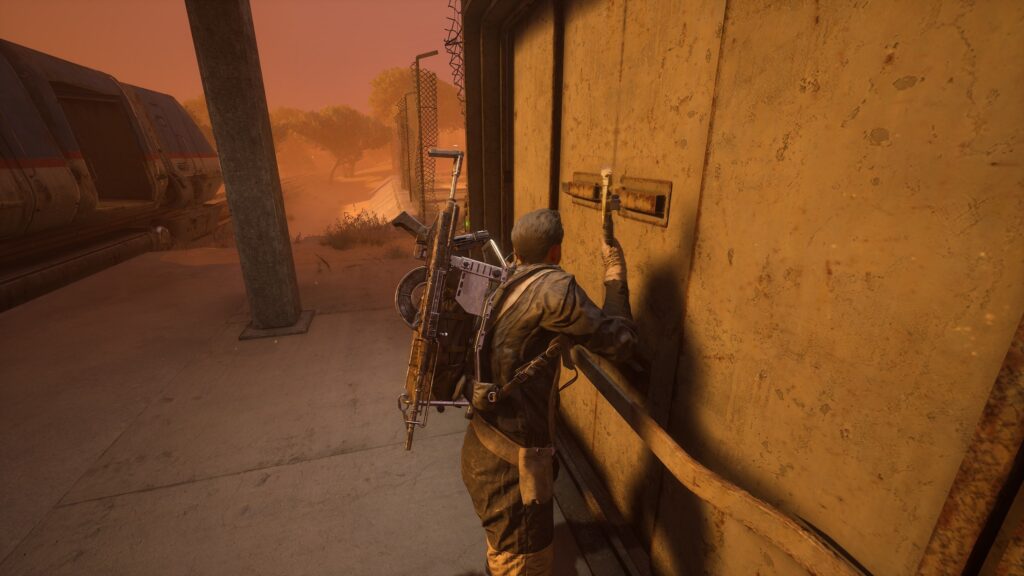
Value is determined by answering a single question: “How does this help us survive and fight ARC more effectively?” This creates a clear hierarchy of goods. Raw materials are the base layer, crafted items are the middle layer, and unique, irreplicable assets (like pristine weapon mods or ARC power cores) represent the highest tier of wealth. An item that is common or easily crafted will always have less value than a rare component required for a critical upgrade, regardless of its size or complexity.
The Three Pillars of Trade
The entire barter system rests on three pillars of tradable assets. A successful Raider must learn to accumulate and trade wisely across all three categories to ensure they are never without a critical resource.
- 1. Consumables: The most liquid and frequently traded assets. This includes ammunition, medical supplies, and raw crafting materials. Their value is stable and universally understood. These are the “day-to-day” currency of the resistance, used for minor trades and to sustain basic operations.
- 2. Durable Goods: These are crafted or scavenged items with a longer lifespan, such as weapons, armor, and gear. Their value is higher but less liquid, as a trade requires finding another Raider with a specific, complementary need. Trading a sniper rifle requires finding someone who needs one and has something of equal value to offer.
- 3. Information & Services: The intangible pillar of the economy. This includes trading valuable intelligence (the location of a dormant Goliath, a rival squad’s patrol route) or services (a skilled gunsmith offering to customize a weapon for a share of loot, a medic joining a squad for a fee). This is the highest level of trade, relying entirely on reputation and trust.
The Raider Trade Value Index (RTVI)
While values are fluid, a general consensus has formed around the relative worth of common items. The Raider Trade Value Index (RTVI) serves as an unwritten guideline for fair trades, often with a baseline commodity like “Standard Rifle Rounds” (SRR) as a unit of account.
| Item/Service | Asset Class | Approximate Value (in SRR) | Economic Notes |
|---|---|---|---|
| Standard Medkit | Consumable | ~30 SRR | A stable, high-demand commodity. Value remains consistent. |
| Pristine Suppressor | Durable Good | ~250 SRR | Value is high but niche. Only valuable to Raiders employing stealth tactics. |
| ARC Warden Power Core | Consumable (Crafting) | ~400+ SRR | A rare, “gatekeeper” component for high-tier upgrades. Extremely valuable. |
| Intel on Artifact Location | Information | Varies (often a % of the haul) | Highest risk, highest reward. Value is based entirely on trust and reputation. |
The Role of Reputation as Social Currency
In a system without legal enforcement, Reputation is the ultimate social currency. A Raider who consistently deals fairly, honors their agreements, and contributes to the community defense gains a high reputation. This unlocks access to more lucrative trades, more skilled teammates, and the trust required for high-stakes information bartering. Conversely, a Raider who cheats, steals, or hoards vital resources will find themselves ostracized—unable to trade, unable to find a squad, and ultimately, vulnerable. This social contract, enforced by the community itself, is the invisible hand that keeps the economy stable and prevents a total collapse into a “might makes right” paradigm.
Specialization and Interdependence
The barter economy naturally encourages Specialization. A Raider cannot be an expert gunsmith, a master medic, and a top-tier scout all at once. Instead, individuals and squads tend to focus on a specific skillset. A “scrapper” squad might specialize in harvesting raw materials from ARC wrecks, trading them to a “crafter” squad that excels at producing high-quality armor and weapons. This creates a web of economic interdependence.
No single Raider can be self-sufficient, which forces cooperation and reinforces the communal bonds necessary for the Resistance’s long-term survival. The economy is not just for trade; it is a mechanism for building a cohesive society.
Conclusion: The Economy of Survival
The fight for X-Isle is a testament to the resilience of human society. In the shadow of a mechanical god, the Raiders have forged not just a resistance, but a functioning civilization with a complex and robust economy.
This system, built on the hard logic of utility and cemented by the social currency of reputation, is the engine that funds the rebellion. A Raider who fails to understand these economic underpinnings may be a good soldier, but they will remain poor and ill-equipped. The true master of this world is the one who understands that the path to victory is paved not just with spent casings, but with shrewd trades, a sterling reputation, and a deep understanding of the value of a single roll of tape.