Introduction
Call of Duty esports has grown from small local gatherings into a global phenomenon drawing millions of viewers each year. What began as informal LAN parties quickly evolved into structured tournaments with professional players, dedicated fans, and significant prize pools.
Today’s scene features franchised teams backed by major brands, live stadium events, and extensive online coverage. This article traces that journey—from its grassroots roots to today’s Call of Duty League—and highlights the standout teams that have shaped competitive play over the years.
Early Beginnings and Growth
In the mid-2000s, Major League Gaming and other third-party organizers hosted the first significant Call of Duty tournaments on titles like Call of Duty 2 and Call of Duty 4: Modern Warfare. These events attracted skillful amateurs and early pros, showcasing the game’s potential as a competitive esport.
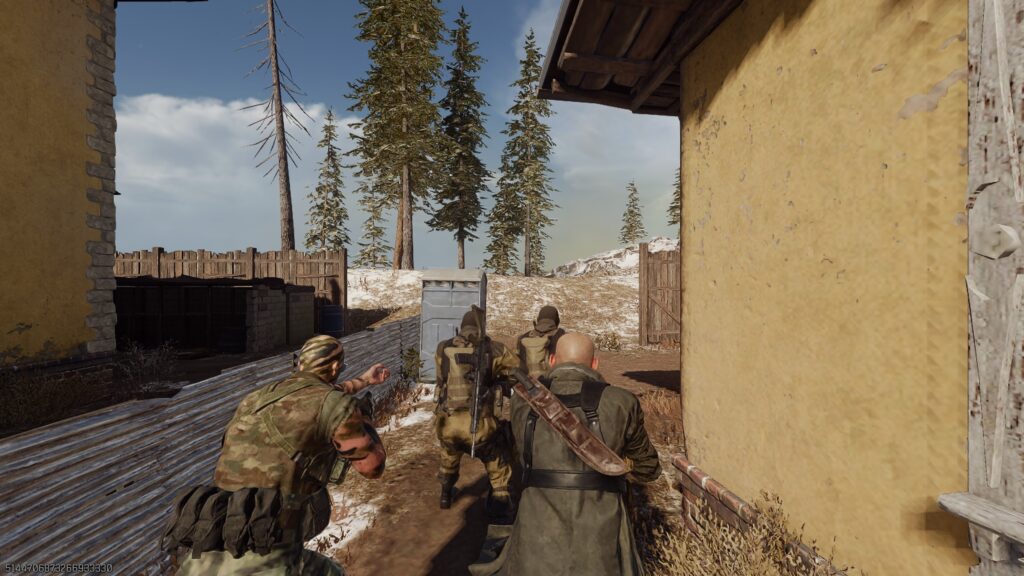
The release of Modern Warfare 2 in 2009 accelerated interest, thanks to its fast-paced multiplayer and robust community features. As prize pools grew and online streaming emerged, more players committed to professional practice, forming the foundations of today’s team-based competition.
The Rise of the Call of Duty League
In 2020, Activision Blizzard launched the Call of Duty League (CDL), introducing a city-based franchise model similar to traditional sports. Teams representing cities like Atlanta, Chicago, and London signed players to long-term contracts and competed in a regular season format for championship points.
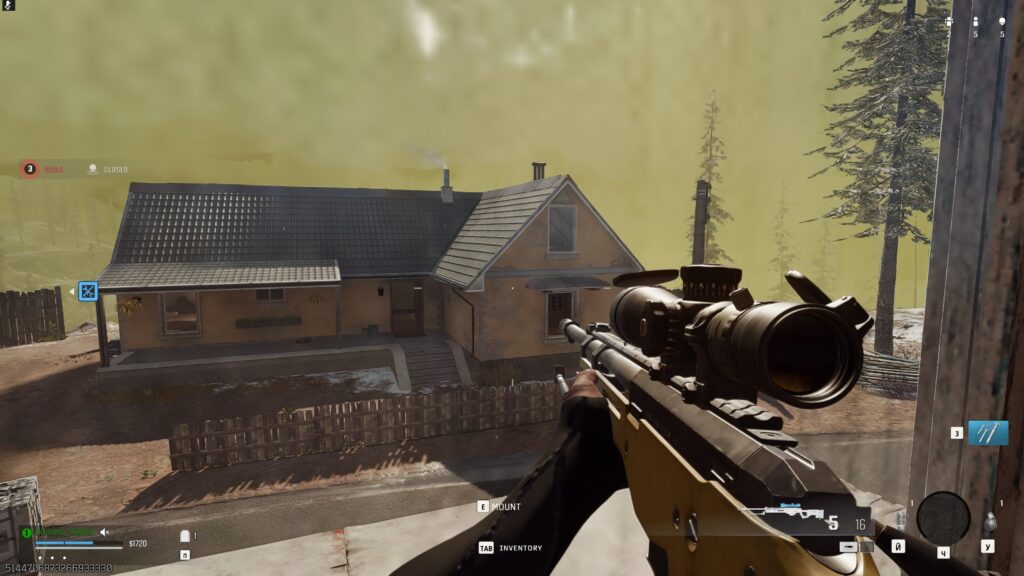
This shift brought stability to the scene, with standardized schedules, broadcast-quality production, and franchising fees that attracted established sports organizations. Live matches on streaming platforms and at arena events increased fan engagement and built local fanbases around each franchise.
Top Teams in Call of Duty Esports
Over the years, several teams have stood out for consistent performance, strategic innovation, and championship victories. These organizations invest heavily in coaching staff, training facilities, and player development, setting the bar for competitive excellence. Below is a snapshot of some of the most successful franchises across North America and Europe.
| Team | Region | Notable Achievements | Key Players |
|---|---|---|---|
| Atlanta FaZe | North America | Multiple CDL Championships | Simp, Cellium, aBeZy |
| OpTic Chicago | North America | Consistent playoff contender, historic franchise | Scump, Crimsix, Dashy |
| Dallas Empire | North America | CDL Champions 2020 | Attach, Clayster, Shotzzy |
| London Royal Ravens | Europe | Strong European presence | Tommey, Gunless, Priestahh |
Evolution of Competitive Formats
The tournament structure for Call of Duty has continually adapted to improve fairness and excitement. Early events used single-elimination brackets, but as the scene matured, organizers shifted to double-elimination and Swiss formats to give teams more opportunities.
The CDL standardized match settings with best-of-five series, map veto systems, and clear rulebooks. Teams now prepare through daily scrims, coach-led reviews, and data-driven analytics, making the level of play more strategic and polished than ever before.
Conclusion
From its humble beginnings in local LAN halls to today’s sold-out arenas and million-dollar prize pools, Call of Duty esports has become a cornerstone of the competitive gaming world. Franchised city teams, professional production values, and global fan engagement mark its success.
As the CDL continues to innovate and new titles release, the future promises even more growth, fresh rivalries, and breakout stars. For fans and players alike, Call of Duty esports remains a dynamic blend of skill, strategy, and spectacle.